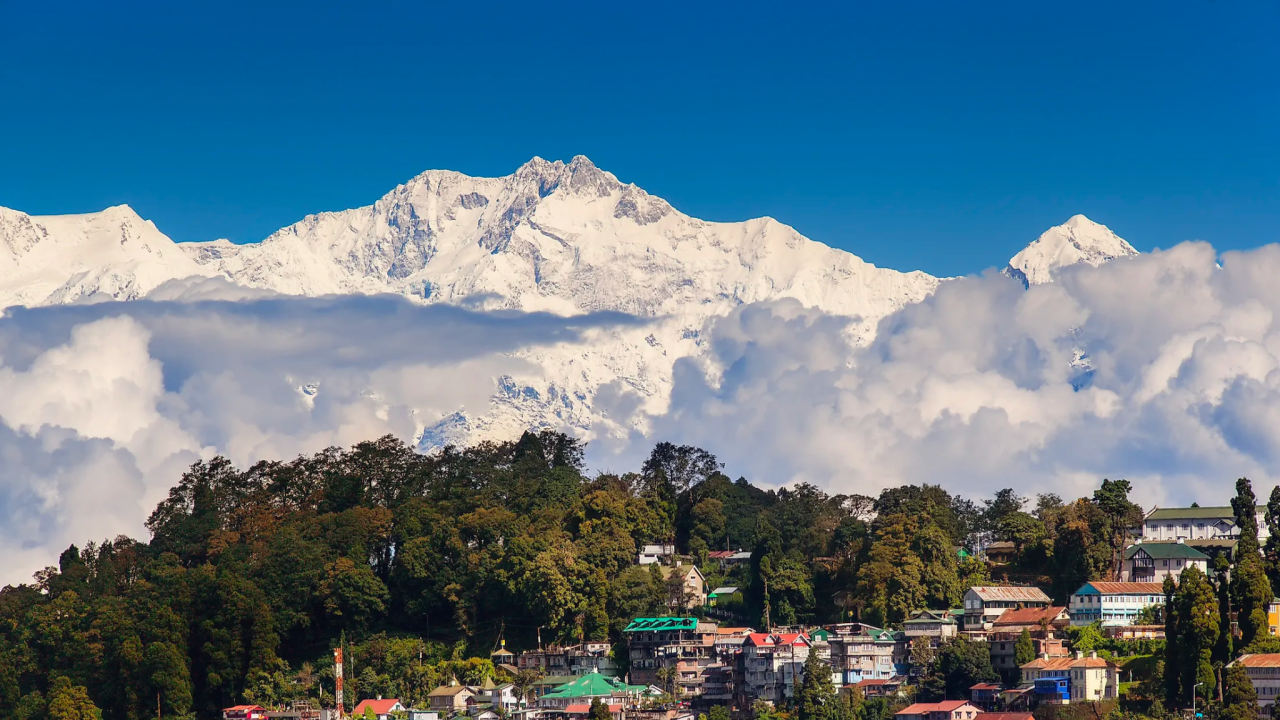
The region was a hotbed of the Indian independence movement and has remained one of India’s great artistic and intellectual centres. Following widespread religious violence, the Bengal Legislative Council and the Bengal Legislative Assembly voted on the Partition of Bengal in 1947 along religious lines into two independent dominions: West Bengal, a Hindu-majority Indian state, and East Bengal, a Muslim-majority province of Pakistan which later became the independent Bangladesh. The early and prolonged exposure to British administration resulted in an expansion of Western education, culminating in developments in science, institutional education, and social reforms in the region, including what became known as the Bengali Renaissance. Several regional and pan−Indian empires throughout Bengal’s history have shaped its culture, cuisine, and architecture.
OnAir Post: About West Bengal