University of Calcutta

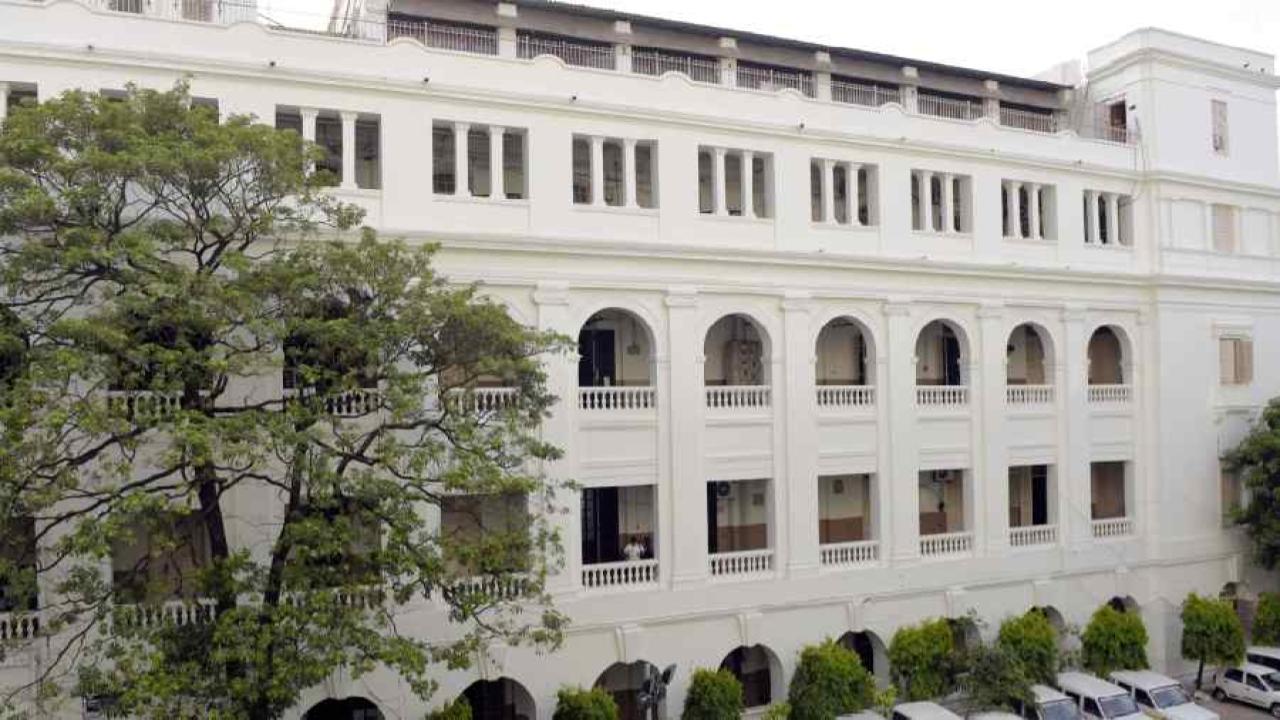
The University of Calcutta is a public state university located in Kolkata, West Bengal, India. It has 151 affiliated undergraduate colleges and 16 institutes in Kolkata and nearby areas. It was established on 24 January 1857 and is the oldest multidisciplinary university of Indian Subcontinent and South East Asian Region. Today, the university’s jurisdiction is limited to a few districts of West Bengal, but at the time of its establishment it had a catchment area ranging from Kabul to Myanmar. Within India, it is recognized as a “Five-Star University” and accredited an “A++” grade by the National Assessment and Accreditation Council (NAAC).

OnAir Post: University of Calcutta
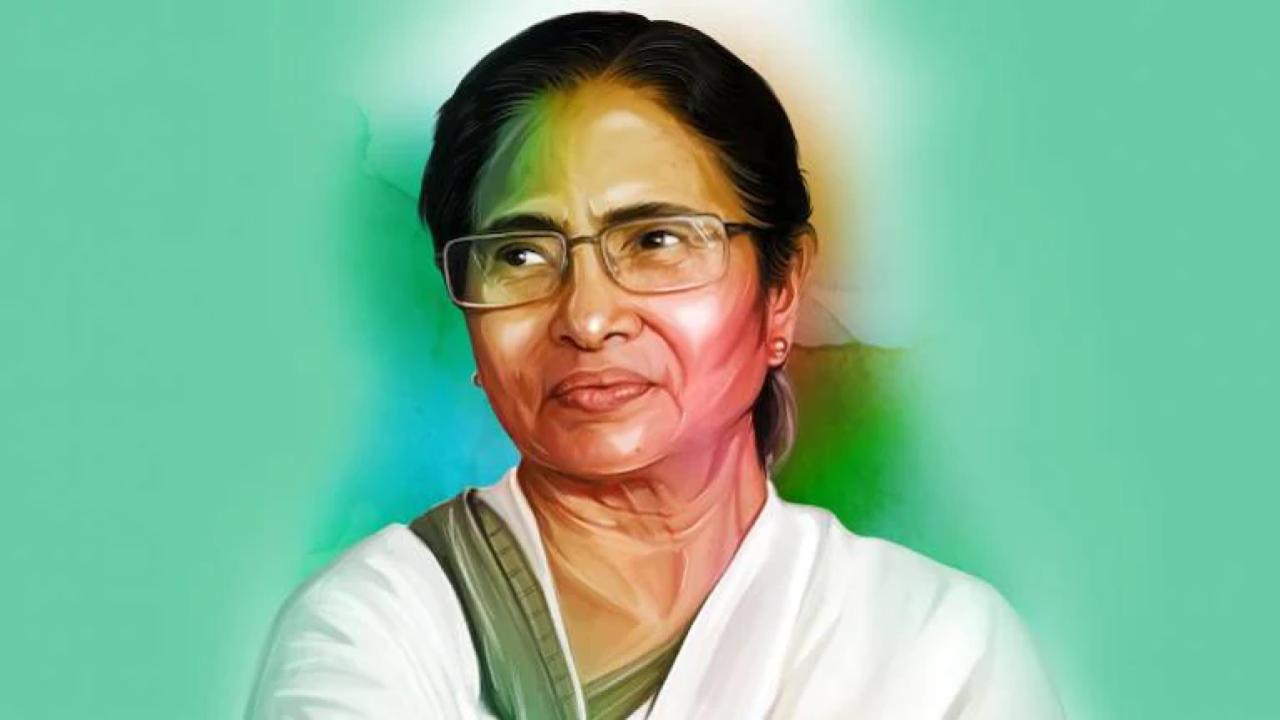
Mamata Banerjee

Mamata Banerjee is an Indian politician who is serving as the eighth and current chief minister of the Indian state of West Bengal since 20 May 2011, the first woman to hold the office. Having served many times as a Union Cabinet Minister, Mamata Banerjee became the Chief Minister of West Bengal for the first time in 2011. She founded the All India Trinamool Congress (AITC or TMC) in 1998 after separating from the Indian National Congress, and became its second chairperson later in 2001. She is often referred to as ‘Didi’ (meaning elder sister in Bengali).

OnAir Post: Mamata Banerjee

West Bengal Legislative Assembly

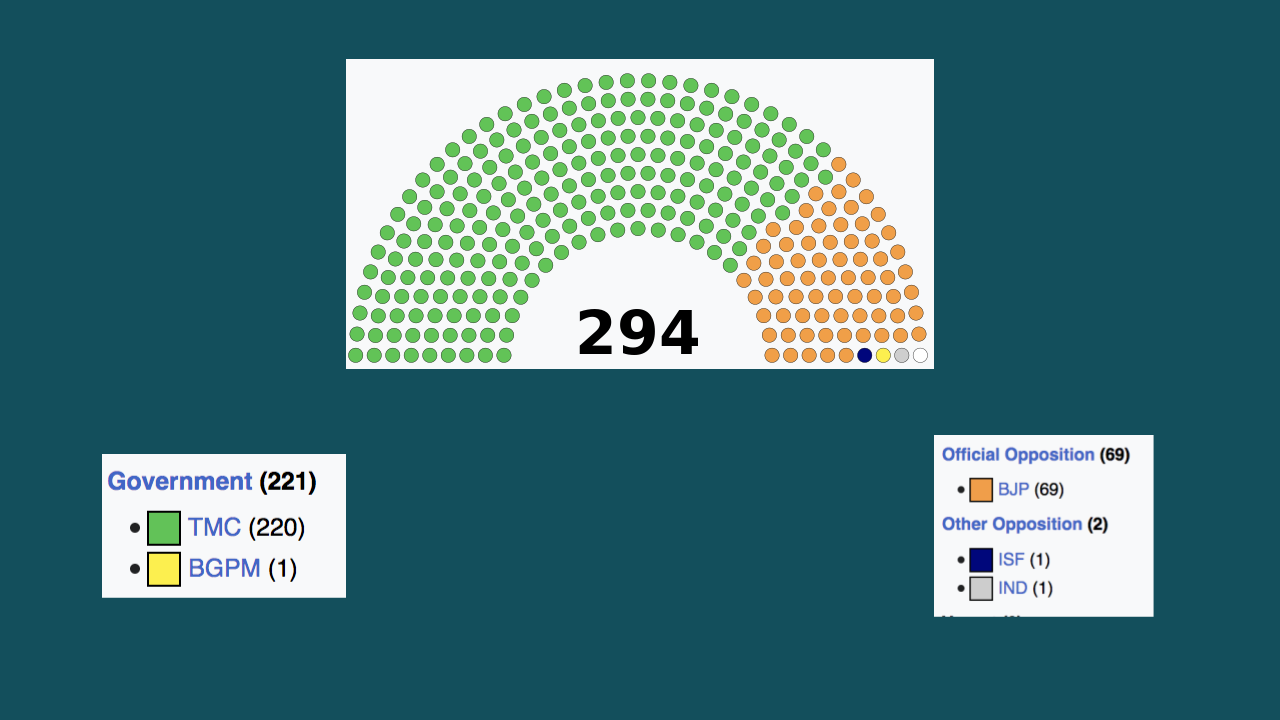
The West Bengal Legislative Assembly is the unicameral legislature of the Indian state of West Bengal. It is located in the B. B. D. Bagh area of Kolkata, the capital of the state. Members of the Legislative assembly are directly elected by the people. The legislative assembly comprises 294 Members of Legislative Assembly, all directly elected from single-seat constituencies. Its term is five years, unless sooner dissolved.

OnAir Post: West Bengal Legislative Assembly

About West Bengal

The region was a hotbed of the Indian independence movement and has remained one of India’s great artistic and intellectual centres. Following widespread religious violence, the Bengal Legislative Council and the Bengal Legislative Assembly voted on the Partition of Bengal in 1947 along religious lines into two independent dominions: West Bengal, a Hindu-majority Indian state, and East Bengal, a Muslim-majority province of Pakistan which later became the independent Bangladesh. The early and prolonged exposure to British administration resulted in an expansion of Western education, culminating in developments in science, institutional education, and social reforms in the region, including what became known as the Bengali Renaissance. Several regional and pan−Indian empires throughout Bengal’s history have shaped its culture, cuisine, and architecture.


OnAir Post: About West Bengal

West Bengal Government Hub

West Bengal is a state in the eastern portion of India. It is situated along the Bay of Bengal, along with a population of over 91 million inhabitants within an area of 88,752 km2 (34,267 sq mi) as of 2011. The population estimate as of 2023 is 99,723,000.[12] West Bengal is the fourth-most populous and thirteenth-largest state by area in India, as well as the eighth-most populous country subdivision of the world.

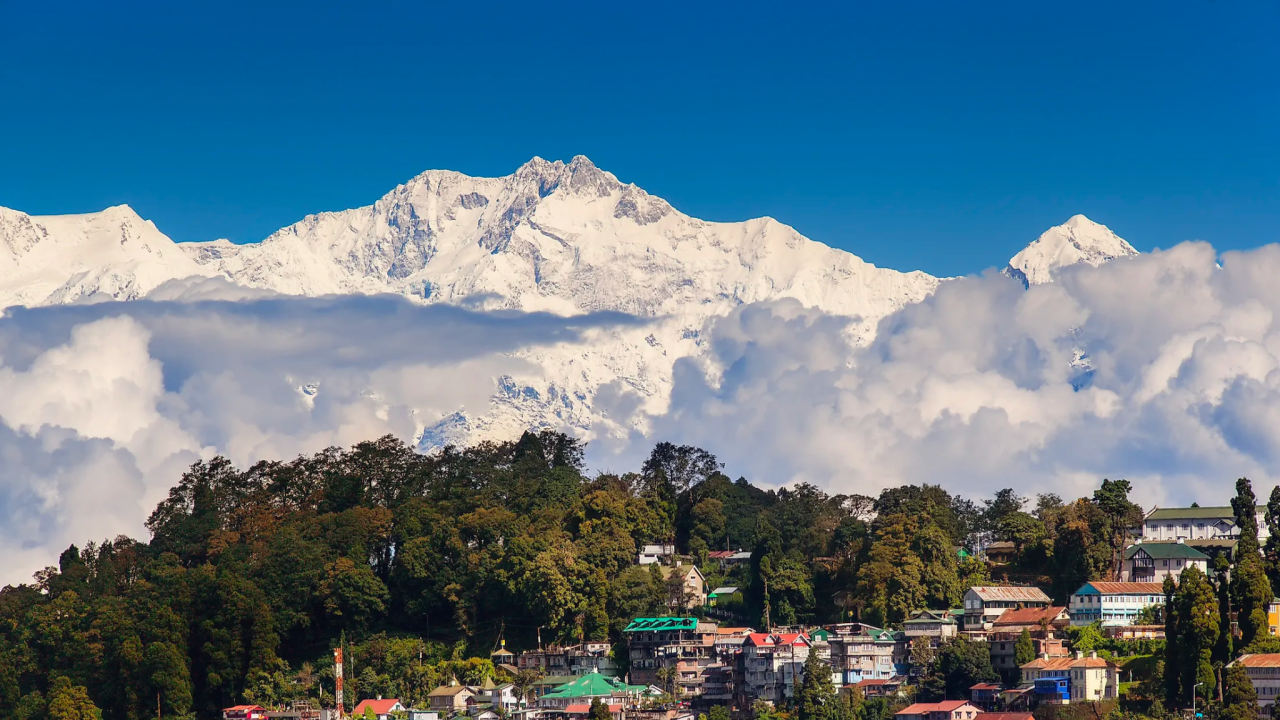
As a part of the Bengal region of the Indian subcontinent, it borders Bangladesh in the east, and Nepal and Bhutan in the north. It also borders the Indian states of Jharkhand, Odisha, Bihar, Sikkim and Assam. The state capital is Kolkata, the third-largest metropolis, and seventh largest city by population in India. West Bengal includes the Darjeeling Himalayan hill region, the Ganges delta, the Rarh region, the coastal Sundarbans and the Bay of Bengal. The state’s main ethnic group are the Bengalis, with the Bengali Hindus forming the demographic majority.

Source: Wikipedia

OnAir Post: West Bengal Government Hub

Skip to toolbar